NFT & Logistics, what future ?
24 February 2022


24 February 2022
An NFT could provide a much more detailed control of traceability. What is really an NFT ? How can they be used in logistics ?
In the face of recent economic and geopolitical shocks, the supply chain can no longer afford to be opaque. Whilst NFTs (Non-Fungible Tokens) first made headlines in the art world, their true revolution is now taking place at the heart of warehouses. By assigning a unique and tamper-proof digital identity to every product, this technology is redefining the rules of the game. So, is it a technological gimmick or a cornerstone of tomorrow’s warehouse? An analysis of the use cases that will transform your operations.
The digitalisation of the supply chain has long faced a major obstacle: how to prove that a data stream corresponds exactly to the physical reality on the ground? This is where the NFT comes in.
In practical terms, a logistics NFT acts as a ‘digital twin’ or a virtual passport. As soon as a product (or batch) is manufactured, a unique token is generated on a blockchain. Unlike a simple barcode, which can be copied or altered, this token is immutable. It accompanies the product from the factory to the end consumer. This approach ensures that physical logistics flows are perfectly synchronised with information flows, thereby eliminating grey areas.
For the healthcare, luxury and aerospace sectors, authenticity is not an option. NFTs offer foolproof traceability by securely recording every transfer of ownership.
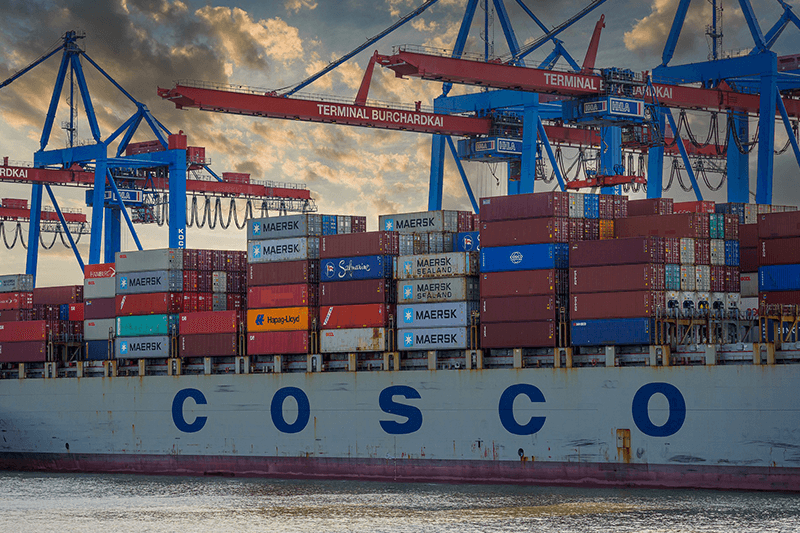
When a container changes hands (from the supplier to the carrier, then to the distributor), the NFT is transferred digitally. This transfer instantly validates the origin, maintenance history or compliance with the cold chain. Decision-makers then have real-time visibility, ensuring that the products entering their network are 100% compliant and authentic.
One of the most powerful advantages of NFTs lies in their interoperability with smart contracts. When a specific condition is met (for example, scanning an NFT to confirm a pallet has arrived safely), the system can trigger an immediate action:
Instant payment to the carrier.
Immediate update of the ERP.
Triggering of a new workflow for restocking.
This native automation drastically reduces administrative disputes, eliminates redundant manual data entry and speeds up the entire operations management process.
The accumulation of ultra-reliable data generated by NFTs creates an ideal playground for Artificial Intelligence. By analysing the exact lifecycle of an NFT-certified product, AI can identify previously invisible bottlenecks.
This enriched data makes it possible to improve the reliability of demand forecasts. Knowing exactly how quickly a specific asset moves through the network significantly aids inventory optimisation. Rather than stockpiling ‘just in case’, the company gains flexibility and moves towards a highly responsive management model, limiting surpluses whilst avoiding stock-outs.
Today, proving a product’s environmental impact requires tracing it back to the extraction of raw materials. NFTs allow the carbon footprint of each component to be embedded directly into its digital identifier.
It then becomes possible to publicly certify the ethical origin of materials or the exact distance travelled. This level of proof, which is transparent and tamper-proof, becomes a major asset in building truly sustainable logistics, meeting strict regulatory requirements (such as the European CSRD) and the expectations of end consumers.
The integration of NFTs into the supply chain is no longer science fiction. It represents the natural evolution of Industry 4.0. For Supply Chain Directors and CIOs, the current challenge is no longer to understand whether this technology will become mainstream, but how to integrate it effectively. The key lies in choosing a modern platform capable of bridging the gap between these emerging technologies (Blockchain, Web3) and your existing systems. Thanks to no-code architectures, it is now possible to deploy these innovations without endless development projects, enabling you to test, learn and adapt quickly.
Do logistics NFTs replace IoT and RFID technologies? No, they are complementary. IoT sensors and RFID chips (or QR codes) capture data in the field (temperature, location, scans). NFTs, on the other hand, ensure the security, authentication and immutability of this data within the system.
Do you need blockchain development skills to use them? Not anymore. The emergence of modern tools and agile software solutions allows blockchain-based modules to be integrated without the need for coding, greatly lowering the barrier to entry.
Which sectors stand to gain the most in the short term? Although all sectors are affected, the pharmaceutical industry (securing vaccines/medicines), the luxury goods sector (combating counterfeiting), the aerospace industry (tracking spare parts) and the agri-food sector (traceability from farm to fork) are leading the way in this transformation.
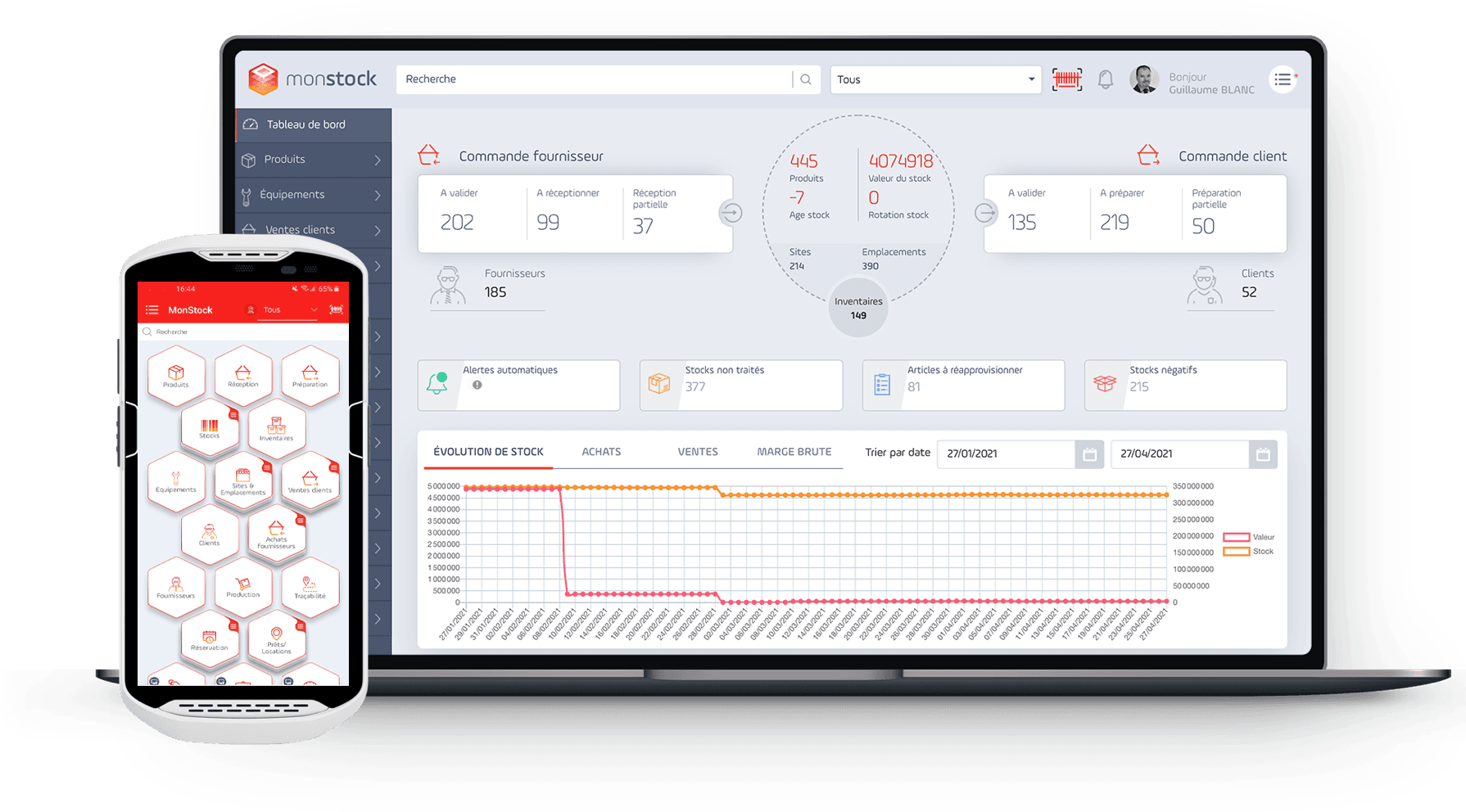
Monstock streamlines processes and increases traceability for complete tracking of customer orders, delivery times and stock management.
Reduce the time spent on your orders. Manage your supplies, replenishments and buffer zones with intelligent picking proposals for optimised stock and warehouse management.
To find out more : contact the Monstock team.
Sign up for our newsletter today